The Politics of What We Listen To by Tom Webster
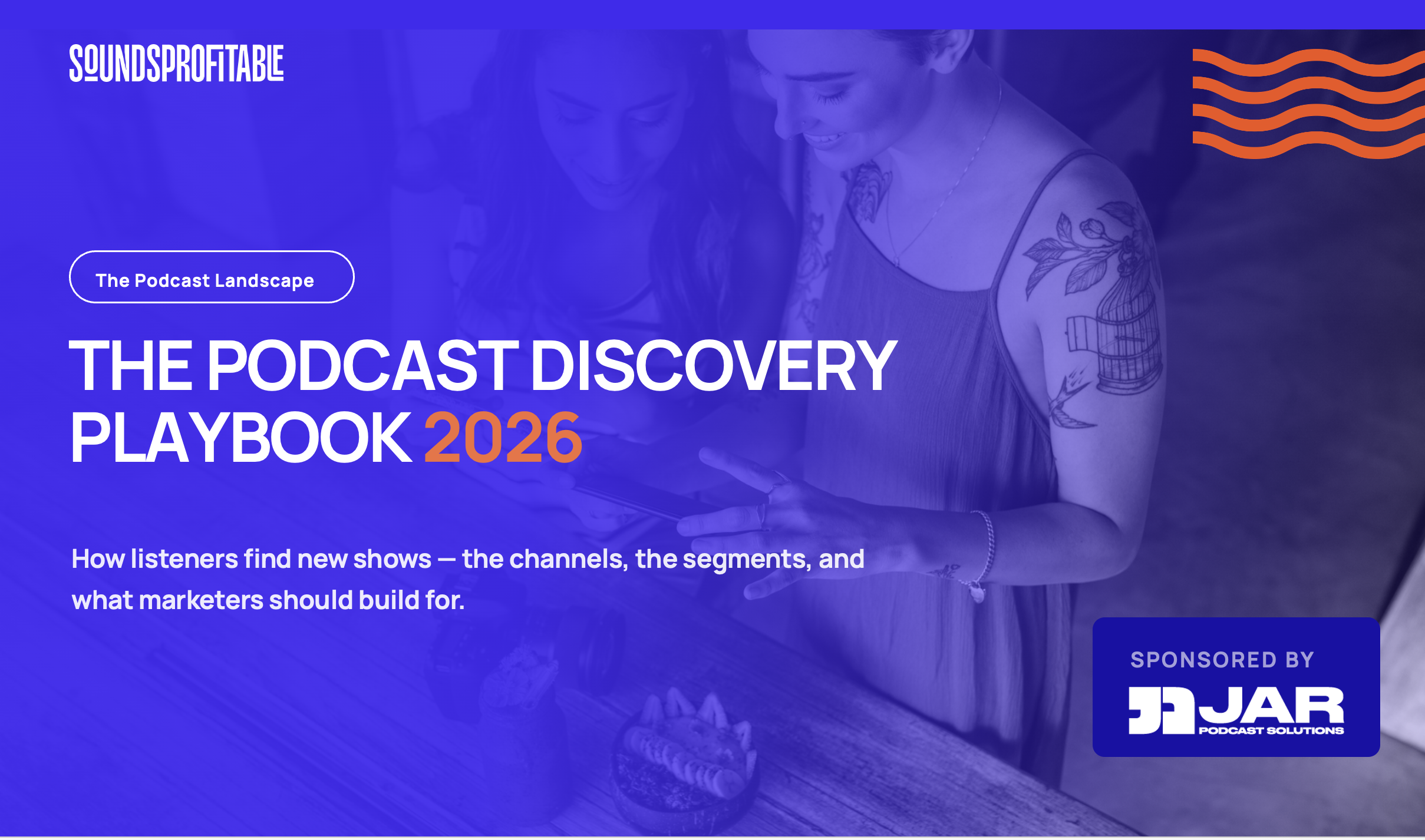
Semi-regularly, Tom Webster is quizzed about the political makeup of podcast listenership. These are usually motivated by popular theories/impulses (e.g. podcasts are largely for liberals, or conservative podcasts rule the roost now). Looking at Podcast Landscape 2025 data, the reality is when one looks at the self-prescribed political identity of respondents who’ve listened to a show in the past 30 days, American podcast listening is almost perfectly divided into thirds. 32% liberal, 30% conservative, 33% moderate. While the audience as a monolith is evenly divided, individual genres have their biases. TV & Film is the most liberal-leaning with a 19 point gap between them and conservative audience share. On the opposite end, conservatives outpace liberals about 7 points in Business. Political Talk is almost as evenly-split as the overall audience, clocking 34% liberal, 26% conservative, and 29% moderate. Certain genres will reach certain audiences by dint of them specifically appealing to that group. As Webster says in his conclusion: podcasting didn’t make Science podcast listeners liberal-er, and Business podcasts don’t generate new conservatives. They gave both groups engaging content to listen to, and those respective audiences embraced them.
The Two Futures of Podcasting: Spectacle vs. Resonance by Ben Robins
Robins argues that while the industry kicks off the year with existential debates about the future of podcasting, he sees a divergence. “Video and audio aren’t competing. They’re bifurcating into two distinct value propositions – one for spectacle and the other for resonance.” Functionally, video podcasting is shifting into a “lean-forward” entertainment medium that competes with traditional TV (put a pin in that for the next story). Spectacle that, for a price, delivers reach and discovery. Meanwhile audio thrives on authenticity, expertise, and resonating with trusting audiences. A company can choose Spectacle, or Resonance, or both without them conflicting.
The announcement of Netflix’s video podcast The Pete Davidson Show seems to have acted as a spark for a narrative that’s gained traction throughout the last few weeks: entertainment companies want video podcasts not for their podcast-y-ness, but because they’re functionally identical to TV talk shows at a fraction of the cost (smaller sets, no live audience, fewer unions). The recent cancellation of The Kelly Clarkson Show and Sherri have amplified that conversation moreso. Podcasts can land celebrities of the same calibre of both daytime and late night talk shows . Leonardo DiCaprio’s p ress tour for One Battle After Another involved hopping on New Heights, after all. Structurally, online chat shows aren’t beholden to the time constraints of broadcast TV. Longform conversations can happen, giving audiences more of a conversational parasocial engagement with celebs versus curt, rehearsed patter of traditional TV talk shows.
Nigerian Podcast Index Reveals 329 Active Shows, 73% Publishing Regularly
Tony Onwuchekwa’s Nigerian Podcast Index has a new report showing the health of Nigeria’s growing podcast industry. As the headline says, 73% of podcasts produced in Nigeria are actively uploading. Spotify is far and away the biggest platform of the indexed shows, with 59.3% of the total podcasts hosted there. The index argues Nigerian podcasting has matured past the proof-of-concept stage. That said, several areas of growth remain. With so many podcasts concentrated on one platform, a policy change or price increase could have an outsized impact on the young industry. Indigenous languages also appear underserved, with 90.6% of indexed podcasts uploading in English.
Channel 4 Expands Third-Party Platform Push with Video Content on Spotify by Dan Meier
UK broadcaster Channel 4 has launched a digital channel dubbed A Comedy Thing by Channel 4 on Spotify, duplicating a YouTube channel launched last summer. This follows last year’s Spotify expansion with the Channel 4.0 brand being launched there as well. A heck of a change to how TV used to work in the UK. Millennial Americans will remember how difficult/expensive it was to partake of British content when we were kids. Nowadays Channel 4 shows can be watched same-day on YouTube. Several Thursdays a year I can sit down to dinner and catch the new episode of Taskmaster officially uploaded to YouTube. All of that is to say: if there was a UK TV brand who would be skittish about cannibalizing their YouTube numbers by duplicating videos elsewhere without a significant net-new audience, Channel 4 is high up the list. Which suggests they’re reaching net-new audiences over at Spotify.
As for the rest of the news…
- NPR covers the launch of On the Docket, a project from the University of Minnesota (in partnership with Spooler and Idib Group) that takes audio from landmark Supreme Court cases and adds generative AI animations of the justices delivering their opinions.
- Jomboy Media, an independent digital sports media company backed by the MLB, has announced they have signed an annual partnership with Listener.com to act as an AI intel layer over their podcast network and media operations.
- Podcast platform Captivate has announced the appointment of Rob Walch as VP of Podcaster Relations, while Elsie Escobar joins as Creator Success & Community Manager.
- Nick Cicero has a new LinkedIn post breaking down why the “dashboard era” of analytics is over and Measurement-as-a-Service (MaaS instead of SaaS) is taking over.
- Dwellspring, the company launched from the podcast 12 Hour Sound Machines, has debuted an interactive audio engine in their mobile app that allows users to build their own bespoke soundscapes for relaxation.
- BBC Studios has published the first episode of their new series The Interface, a weekly tech podcast covering global headlines and how tech impacts them.